- Remove the waste you can reach before using any chemical product.
- A blockage that keeps coming back points to a problem further along the network.
- Several fixtures affected at once: call a plumber.
Why does a drain block?
In a kitchen, fat cools and traps food residue. In a bathroom, hair, soap and cosmetics gradually form a mass. A recurring blockage can also reveal an insufficient slope, the wrong pipe diameter or a defect further along the network.
Signs you should not ignore
Slower draining, gurgling noises, persistent smells or water backing up in another fixture show that the drain is clogging. Acting early limits the risk of overflow. If several fixtures are affected at the same time, the problem may lie in a shared pipe.
What can you do without damaging the system?
Remove the waste you can reach at the plughole, clean the trap if you know how to refit it properly and use hot water where the material allows. Avoid repeated use of chemical drain cleaners: they can be dangerous to handle, attack some seals and make the later repair harder.
Preventing blockages for good
Fit strainers, do not pour oil or fat down the sink and regularly remove hair from plugholes. A drain that blocks often deserves a diagnosis: treating only the visible blockage does not fix a reverse slope, a crushed pipe or a deep deposit.
When to call a professional
- Several drains back up at the same time
- The blockage returns after a few days
- A persistent smell or a leak appears
Frequently asked questions
Is baking soda always enough?
No. It can help with light maintenance, but it fixes neither a compact blockage nor a pipe defect.
When should you call a plumber?
Call if several drains back up, if the blockage returns quickly or if a leak appears.
How can you avoid another blockage?
Catch waste with a strainer, put fat in the household waste and clean the traps you can reach.
The right next step
Observe the symptoms, avoid risky handling and note what changes. For a recurring problem or a renovation project, an on-site diagnosis lets you choose a suitable solution rather than a temporary fix.
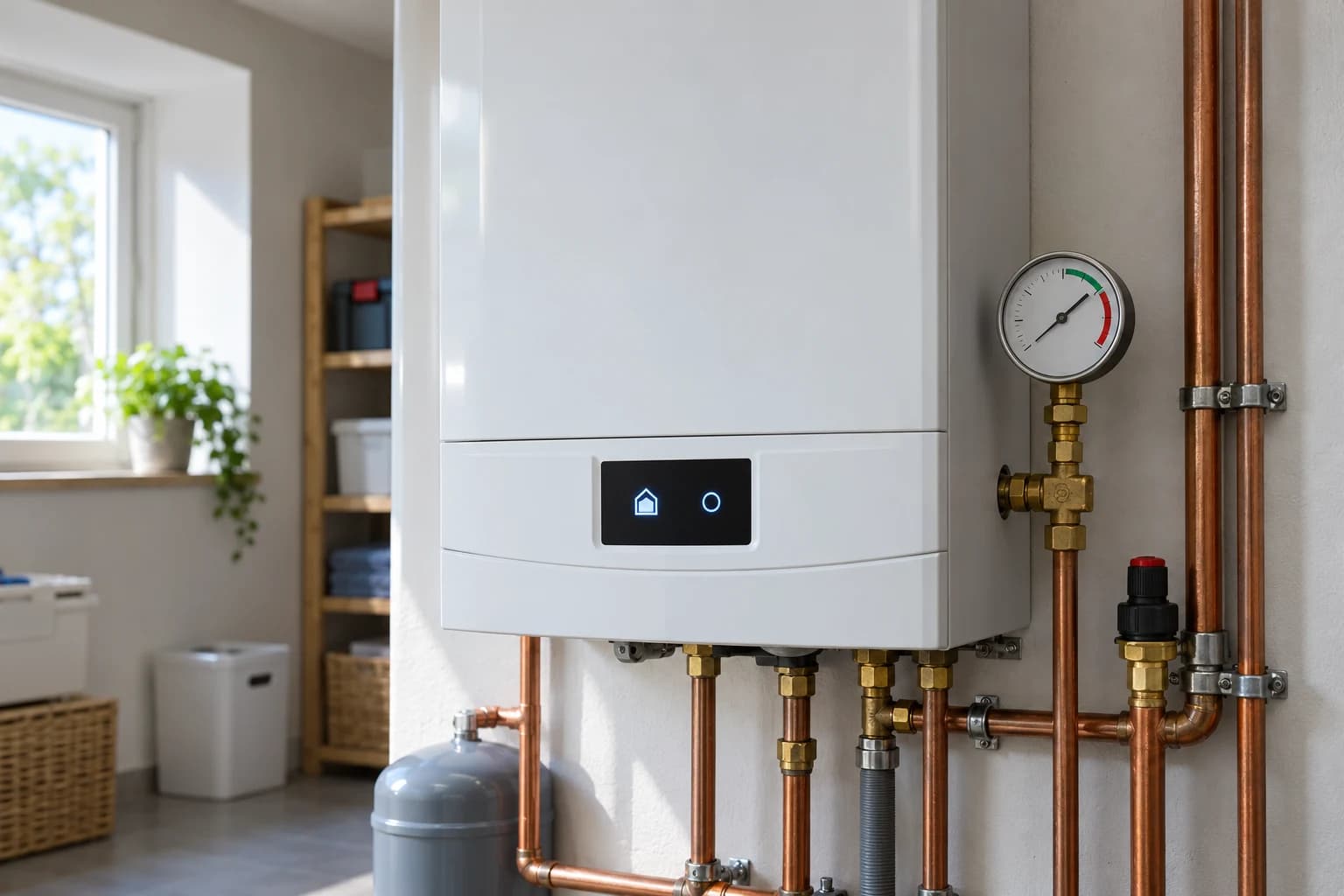 Boiler error codes: find the right explanation
 Vaillant and Bulex: understanding F22 and F28